Contemporary Approaches to teaching
As artists, designers, and scientists produce novel ways of experimenting with and fabricating materials, these then provide innovative foundations for designing children’s material-based learning environments.
Please read: Material Matter in Children’s Creative Learning : by Louisa Penfold
Exploring how the coming together of a new materialist approach to education with the experimental practices of artists and designers can open up expansive possibilities for children’s creative learning.
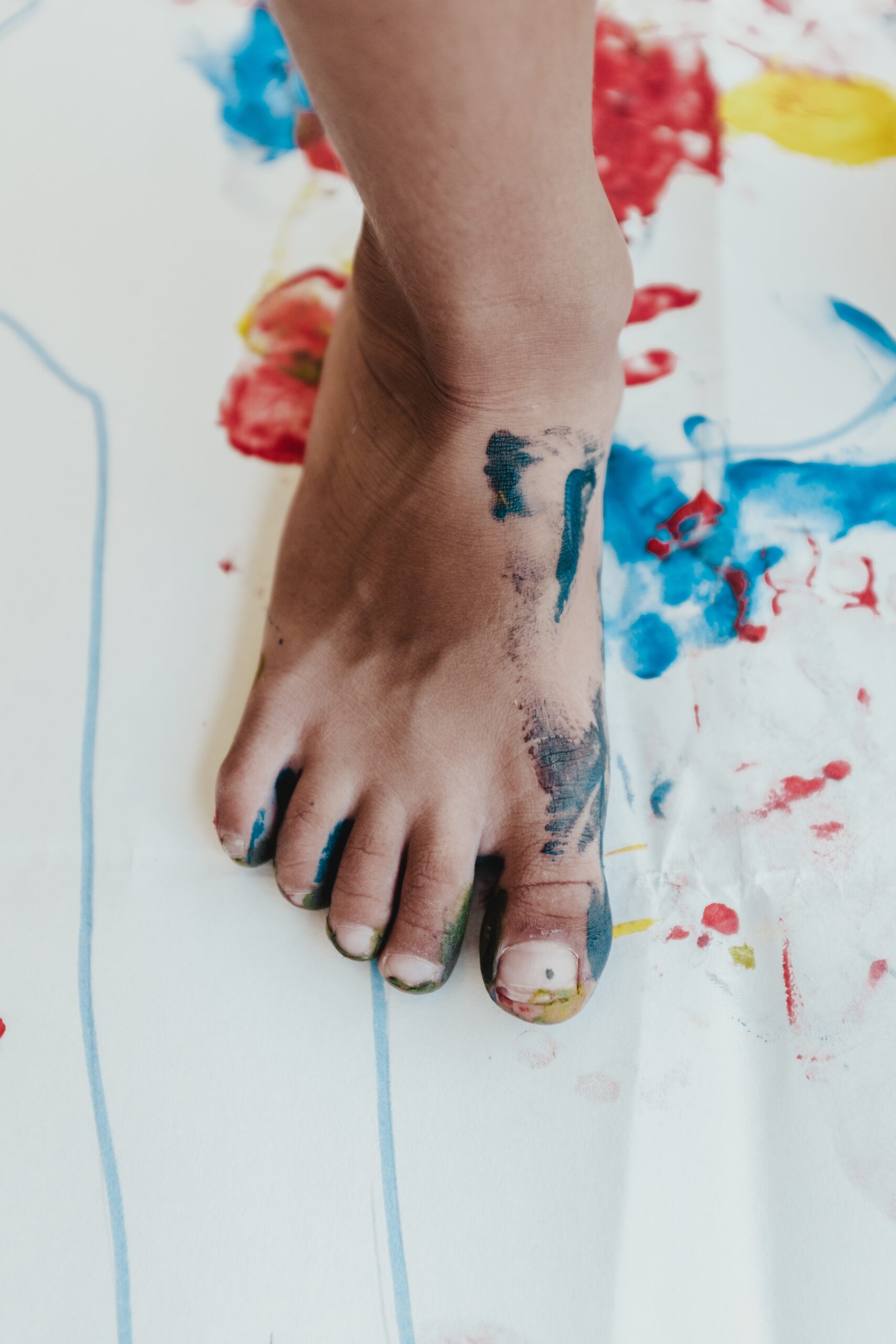
Education can also be an artistic medium. Pavèl van Houten
Contemporary art education has evolved significantly, integrating innovative methodologies and a dynamic ethos that reflect the complexities of today’s world. Here’s an overview of the most current approaches and guiding principles shaping the field:
Current Art Education Methods
1. Idea-Driven Instruction
Modern art education emphasizes exploring concepts and themes over mastering specific techniques. This approach encourages students to engage with big ideas, fostering critical thinking and personal expression. Educators are shifting from technique-focused lessons to those that prioritize inquiry and conceptual exploration.
2. Choice-Based Teaching
This student-centered method offers learners autonomy in their creative processes, allowing them to make decisions about materials, themes, and methods. It promotes ownership of learning and encourages self-directed exploration.
3. Studio Habits of Mind
This framework outlines eight key behaviors that artists engage in during the creative process: Develop Craft, Engage & Persist, Envision, Express, Observe, Reflect, Stretch & Explore, and Understand Art Worlds. These habits help students think like artists and are integral to contemporary art education. The Art of Education
4. Interdisciplinary and Digital Integration
Contemporary art education increasingly incorporates digital media and interdisciplinary approaches, blending traditional art forms with technology and other disciplines. This integration reflects the interconnectedness of modern creative practices.
Core Ethos in Art Education
1. Arts-Based Pedagogy
This approach utilizes artistic processes to facilitate learning, emphasizing creativity, expression, and critical thinking. It supports diverse learning styles and fosters a deeper understanding of content through artistic engagement. Society for Cultural Anthropology
2. Cultural and Environmental Awareness
Educators are increasingly focusing on themes of sustainability, social justice, and cultural identity. Art education serves as a platform for students to explore and address global issues, fostering a sense of responsibility and interconnectedness. ResearchGate
3. Reflective and Inclusive Practice
Contemporary art education encourages reflection on personal and collective experiences, promoting inclusivity and diverse perspectives. This ethos supports the development of empathetic and socially aware individuals. Goldsmiths Research Online
These evolving methods and principles highlight a shift towards a more holistic, student-centered, and socially engaged approach to art education. By embracing these contemporary practices, educators can cultivate environments that nurture creativity, critical thinking, and a deeper understanding of the world.
The excerpt below from: Wicked Art Assignments
What defines a good arts assignment?
Education is different in each situation. The dynamic of a Monday morning class is different from that on a Friday afternoon. I think that it is important to have a flexible way of teaching: be well prepared, but also open to what happens spontaneously. Don’t be afraid to interrupt your class if you feel that it’s not working. Run up and down the stairs together three times, go for a walk, or have students draw an animal that is inspired by the model you just discussed.
I also think that the degree of freedom in an assignment is important. Students often think that they want to work on assignments in all freedom, but paradoxically that can be very restricting. I once designed a plan in which all the elements of the lessons were empty. The plan only showed inspiring spaces on various locations, such as a roof terrace, a gym, and so on. The rest of the plan was completely free and the students found that very complicated. Still, I think it’s important for them to experience this because as an artist you are confronted with much emptiness. If you work as an autonomous artist, the need to create something must be felt from inside. You begin to doubt everything and are confronted with very basic questions such as: why am I here? What am I doing here?
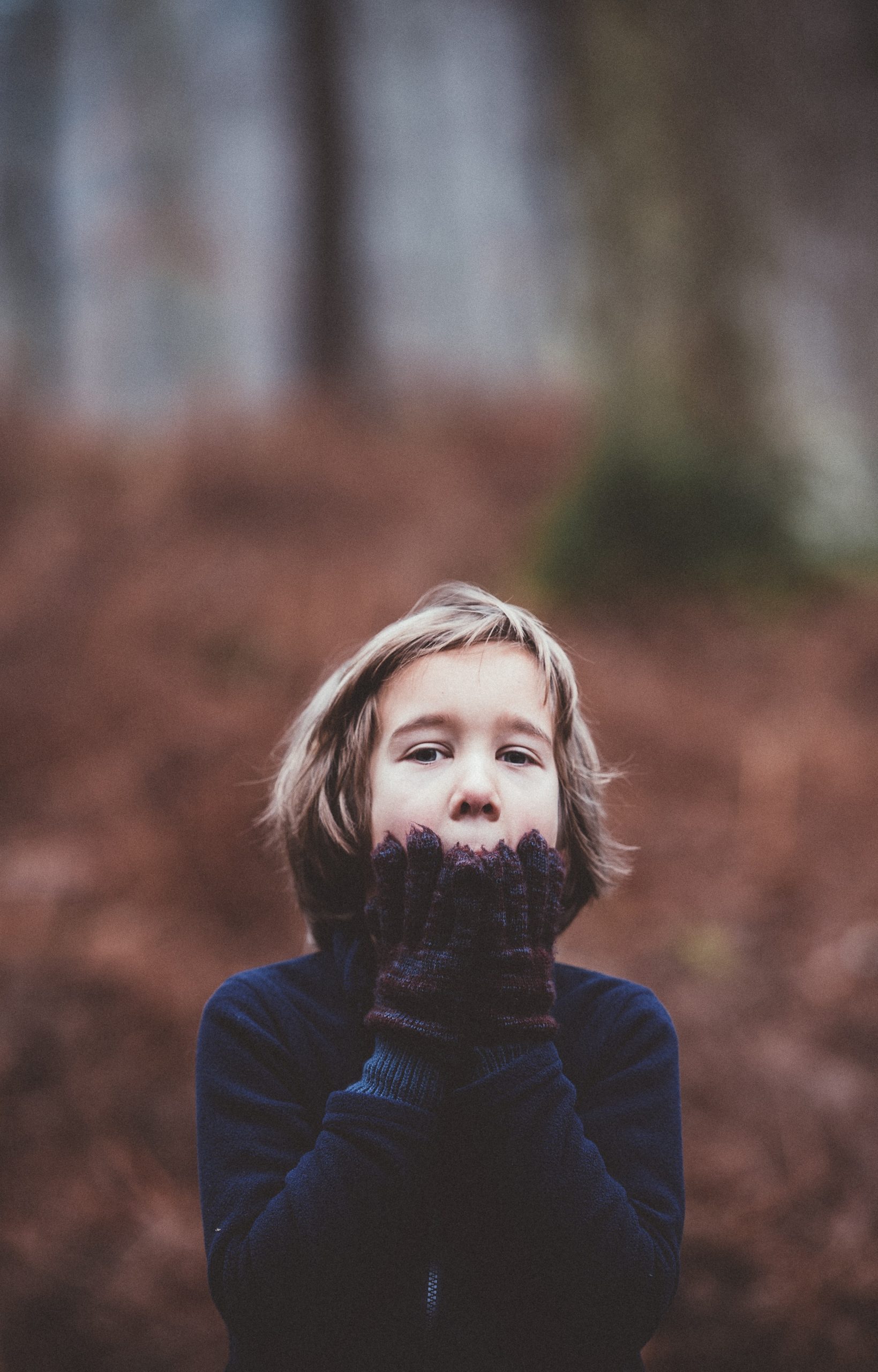
Art 21 is an incredible resource for both artists and educators. Connecting the two worlds together to bring contemporary art into your classroom. They suggest:
Before focusing on a particular question, it may help to begin with a general brainstorm about art being made today, to find out what ideas your students already have. Try to solicit as many different adjectives, ideas, questions, or prejudices as you can, to get a sense of what your students already know, and topics or misconceptions that might be useful to explore further.
Use the following questions and activities as a way to initiate a broad-based dialogue about contemporary art and specific ideas related to where art is seen, how it is made, and who makes it.
- Why is art important? What role does art play in our society? What value is placed upon artists and their art, and why?
- What makes something a work of art? Is art defined by particular boundaries? If so, what are they and how have they changed over the course of history?
- What is the role of the artist? How has this role changed over time?
- What distinguishes visual art from other forms of visual communication like advertising, design, or photojournalism?
- Who decides what a work of art means—the artist, the critic, the viewer? How do history and the passage of time affect the meaning of an artwork?
- What are the most important skills an artist can have?
- What materials and tools do artists use to create art today? Have the tools changed over time?
- Where do artists find inspiration?
- What is the difference between working alone and collaborating on artwork with fabricators, audiences, or others?
- In addition to museums and galleries, where else can art be shown? How does the location or context of a work of art affect its meaning?
- What are the subjects, issues, and themes important to artists working today?
- What role does beauty play in contemporary art? Does a work of art need to be beautiful? Why, or why not? Who decides what is beautiful?
Consider:
-
How can you design arts lessons that integrate cultural relevance, critical thinking, and creative expression to meet the needs of all students?
-
In what ways can you use digital media and interdisciplinary approaches to enhance student engagement and learning in the arts?
-
How can collaboration with community artists, cultural institutions, and families enrich students’ understanding of the role of arts in society?